
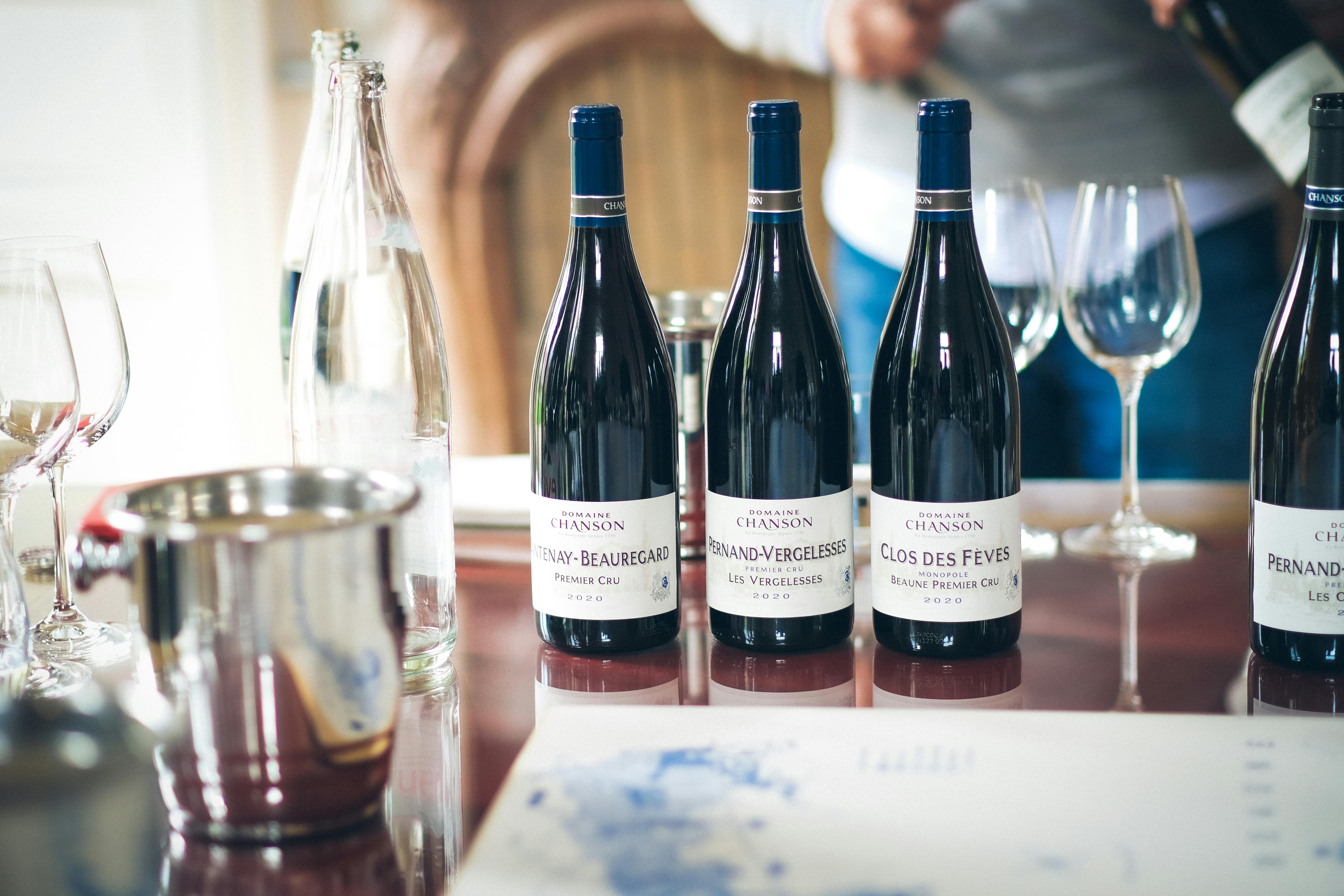
Discover the revolutionary world of regenerative viticulture, the cutting-edge approach to sustainable wine production that’s redefining premium quality and environmental responsibility in 2026. Learn how these eco-friendly wineries are crafting exceptional wines, improving soil health, and combating climate change. We reveal where to find the best regenerative wines, explore top wine clubs, and guide your next sustainable wine tour, ensuring every sip makes a difference.
Introduction to the Topic
In the dynamic world of wine, trends come and go, but some movements mark a paradigm shift. As we navigate 2026, one such revolution is taking root, quite literally, beneath the vines: Regenerative Viticulture. Forget merely 'organic' or 'biodynamic'; regenerative practices are the next frontier in sustainable wine production, actively healing the planet while crafting wines of unparalleled depth and character. Consumers are no longer just seeking a delicious drink; they demand transparency, ethical sourcing, and a positive environmental impact. This isn't just a niche movement for eco-conscious enthusiasts; it's a rapidly expanding sector attracting discerning palates and smart investors alike.
This article will delve into why regenerative viticulture is dominating conversations in 2026, shaping both the terroir and the market. We’ll explore what makes these wines so special, highlight the pioneering wineries leading the charge, and, crucially, show you exactly where and how to acquire these exclusive bottles – whether through direct-to-consumer channels, curated wine clubs, or immersive vineyard experiences. Prepare to uncork a future where every sip contributes to a healthier planet and a richer wine experience.
Backgrounds & Facts
Regenerative viticulture extends beyond the principles of organic and biodynamic farming. While organic farming avoids synthetic chemicals and biodynamics incorporates cosmic rhythms, regenerative viticulture focuses on actively improving the ecosystem. Its core tenets include enhancing biodiversity, increasing soil organic matter, improving water retention, reducing erosion, and, critically, sequestering atmospheric carbon in the soil. By 2026, the scientific community widely acknowledges soil's immense potential as a carbon sink, making regenerative agriculture a potent tool in climate change mitigation.
The shift towards regenerative practices is driven by several factors. Firstly, the escalating impacts of climate change – extreme weather events, droughts, and new pest pressures – have forced vintners to seek more resilient farming methods. Regenerative vineyards, with their healthy, living soils, are demonstrably more adaptable. Secondly, consumer awareness has skyrocketed. A recent 2025 global survey indicated that over 70% of premium wine buyers actively seek out products with strong sustainability credentials, a significant jump from just five years prior. This demand fuels market growth and incentivizes wineries to invest in these long-term, beneficial practices.
Key practices in regenerative viticulture often include: no-till farming to minimize soil disturbance, cover cropping between vine rows to build organic matter and suppress weeds, integrating livestock (like sheep or chickens) for natural fertilization and pest control, and fostering a diverse array of beneficial insects and microorganisms. These methods lead to a virtuous cycle: healthier soil means stronger, more disease-resistant vines, which in turn produce higher quality grapes with more concentrated flavors and unique expressions of terroir. The initial investment can be substantial, but the long-term benefits – reduced input costs, increased resilience, and premium market positioning – are proving irresistible to forward-thinking wineries.
Expert Opinion / Analysis
“By 2026, regenerative viticulture isn't just a buzzword; it’s becoming a benchmark for quality and environmental stewardship,” states Dr. Elara Vance, lead researcher at the Global Viticulture Institute. “We’re seeing tangible results: vineyards transitioning to regenerative methods report a 15-20% increase in soil organic carbon within five years, alongside improved water retention and a significant boost in biodiversity. This translates directly into more resilient vines and, ultimately, more complex, terroir-driven wines that resonate with today’s discerning consumer.”
Industry analyst Marcus Thorne, founder of 'Vinum Analytics,' adds, “The 'regenerative premium' is a real phenomenon. Wineries that authentically embrace these practices are commanding higher prices and building fiercely loyal customer bases. The direct-to-consumer model is particularly strong for these brands, as it allows them to tell their story effectively and connect directly with consumers who value their commitment. We project that by 2030, a significant portion of the ultra-premium wine market will carry some form of regenerative certification or strong regenerative claims.”
Challenges remain, particularly around standardization of certifications and the educational curve for both producers and consumers. However, the momentum is undeniable. “The beauty of regenerative viticulture is its holistic approach,” explains Master Sommelier, Anya Sharma. “It’s not just about what you *don’t* do, but what you *actively* do to enhance the ecosystem. As a result, the wines often possess an incredible vitality, purity, and a profound sense of place that is increasingly rare and sought after. Pairing these wines with a story of positive impact elevates the entire tasting experience.” The consensus is clear: regenerative viticulture is not merely a trend; it's the future of premium wine.
💰 Best Options in Comparison (VERY IMPORTANT)
Ready to experience the best of regenerative wine? Here's our curated list of top options for discovering, purchasing, and even visiting the pioneers of this movement in 2026. We've focused on direct-to-consumer (DTC) channels, exclusive wine clubs, and unique experiences that offer both exceptional value and a direct connection to these sustainable practices.
- Veridian Vineyards (Napa Valley, USA): A trailblazer in regenerative Cabernet Sauvignon and Bordeaux blends. Veridian offers an exclusive 'Soil Steward' wine club, providing members with early access to limited releases, virtual tasting events with their head viticulturist, and significant discounts on their highly sought-after wines. They ship directly across the USA and select international markets.
- Terra Nova Cellars (Marlborough, New Zealand): Renowned for their regenerative Sauvignon Blanc and Pinot Noir, Terra Nova focuses on biodiversity and natural pest control. They offer bespoke, intimate vineyard tours and tasting experiences, allowing visitors to walk the regenerative fields. Their online store provides direct worldwide shipping, and they have a 'Guardian's Reserve' program for allocation of their rarest bottles.
- EcoVino Collective (Global Wine Club): This innovative wine club curates monthly boxes featuring small, emerging regenerative producers from around the world. Each box includes detailed tasting notes, producer stories, and educational content on regenerative practices. It's an excellent way to discover new regions and varietals, with flexible subscription plans and a focus on transparency.
- Château Vert (Bordeaux, France): A historic estate that has fully embraced regenerative agriculture, Château Vert produces exquisite Grand Cru Classé wines with a renewed focus on soil health. While their primary distribution is traditional, they now offer a limited number of 'Heritage Steward' memberships directly from their website, including annual allocations and exclusive access to the estate for members.
- Green Grape Global (Online Marketplace): Not a winery, but a dedicated online marketplace specializing in certified regenerative and sustainable wines from hundreds of producers worldwide. Green Grape Global allows you to filter by certification, region, varietal, and price, making it the go-to platform for comprehensive selection. They often feature introductory bundles and offer competitive shipping rates.
To help you compare these fantastic options and make an informed decision, here's a detailed table:
| Option | Key Offerings | Regenerative Certifications | Direct Shipping | Price Range (per bottle/month) | Unique Selling Point |
|---|---|---|---|---|---|
| Veridian Vineyards | Cabernet Sauvignon, Bordeaux Blends, Wine Club | ROC (Regenerative Organic Certified) | USA & Select Int'l | $75 - $250+ | Pioneering Napa quality with strong community engagement. |
| Terra Nova Cellars | Sauvignon Blanc, Pinot Noir, Vineyard Tours | ROC, BioGro NZ | Worldwide | $40 - $120 | Exceptional New World wines & immersive eco-tourism. |
| EcoVino Collective | Curated Monthly Wine Boxes | Varies by producer (ROC, Demeter, etc.) | USA & Canada | $60 - $150/month | Discovery platform for small, diverse regenerative wineries. |
| Château Vert | Grand Cru Classé Bordeaux Wines, Memberships | ROC, AB (Agriculture Biologique) | EU & Select Int'l | $100 - $500+ | Historic prestige meets cutting-edge sustainability. |
| Green Grape Global | Online Marketplace, Wide Selection | Varies by producer | Worldwide (depending on producer) | $20 - $500+ | One-stop shop for comprehensive regenerative wine selection. |
Outlook & Trends
The trajectory for regenerative viticulture in the coming years is one of accelerating growth and integration. By the end of the decade, we anticipate several key trends:
- Standardization and Certification Evolution: While ROC (Regenerative Organic Certified) is gaining traction, expect other certifications to emerge or existing ones to evolve, offering clearer guidelines and easier identification for consumers.
- Mainstream Adoption: Larger wineries and corporate groups, initially hesitant due to the investment, will increasingly integrate regenerative practices, driven by consumer demand and long-term climate resilience. This will bring regenerative wines to a broader market.
- Tech-Enhanced Regenerative Farming: AI-driven precision agriculture, drone monitoring, and sophisticated soil sensors will become standard tools, optimizing regenerative practices and making them more efficient and cost-effective.
- Investment Opportunities: The 'regenerative premium' will solidify, making vineyards transitioning to these practices attractive investment opportunities for ethical funds and private investors looking for sustainable growth.
- Wine Tourism Focus: Regenerative vineyards will become prime destinations for eco-tourism, offering educational tours, hands-on experiences, and luxurious stays that highlight their environmental commitment.
- Policy Support: Governments and agricultural bodies are likely to introduce more incentives and subsidies for wineries adopting regenerative practices, recognizing their contribution to public goods like carbon sequestration and biodiversity.
The future of wine is not just about taste; it’s about impact. Regenerative viticulture is at the forefront of this holistic revolution, promising a richer, more sustainable experience for all.
Conclusion
Regenerative viticulture stands as 2026's most compelling answer to the dual demands of environmental responsibility and unparalleled quality in the wine world. It's a movement that transcends traditional sustainability, actively working to restore and enhance our planet's most vital resource: soil. For wine lovers, this translates into wines of exceptional purity, depth, and a story you can truly feel good about.
Whether you're a seasoned collector, a curious enthusiast, or someone looking to make more ethical choices, embracing regenerative wines is a powerful step. Explore the pioneering wineries, join a dedicated wine club, or plan an immersive vineyard tour from our recommendations. Your next bottle can be a vote for a healthier planet, a more resilient future, and an even more exquisite tasting experience. Taste the revolution; sip the future of wine today!