
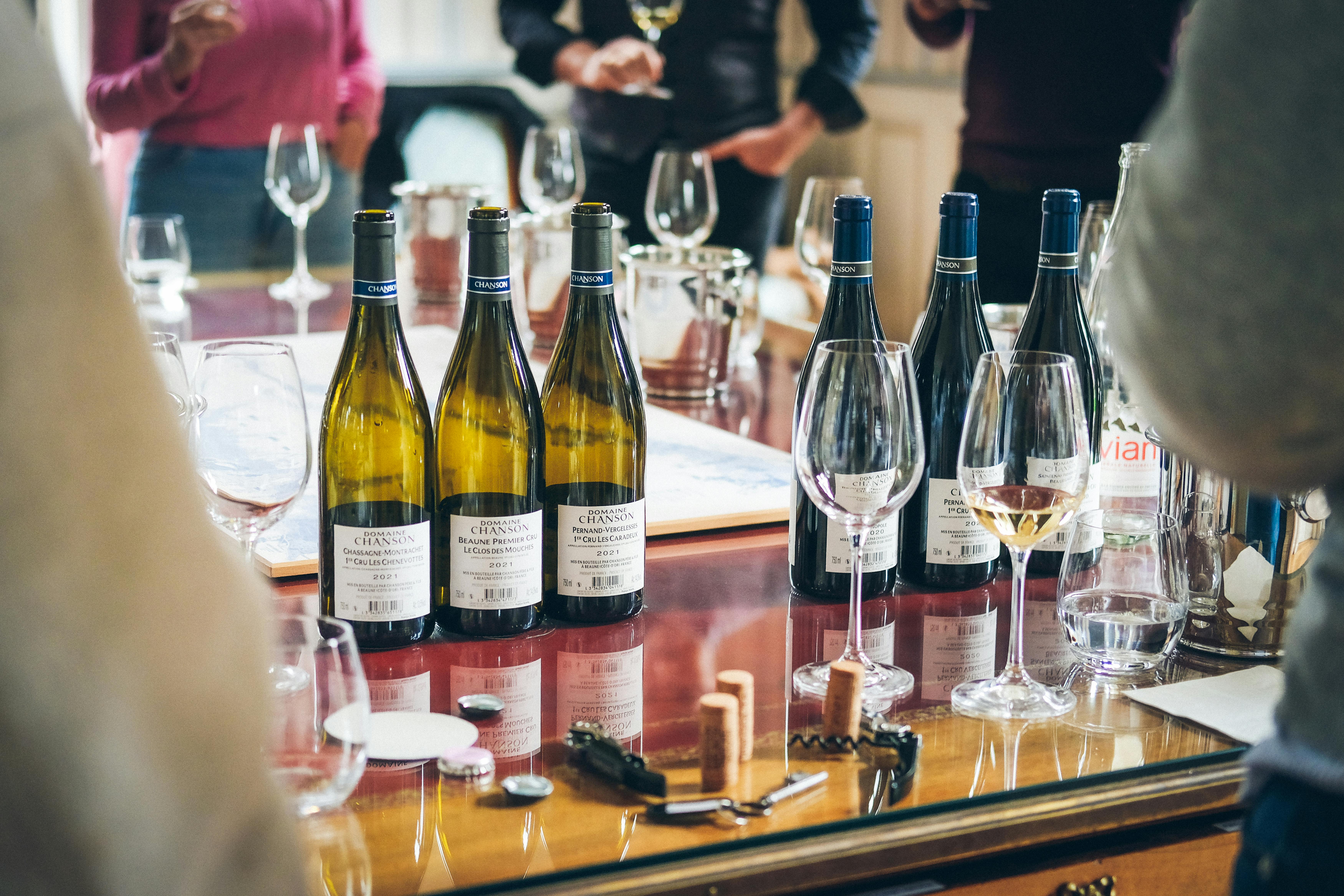
Discover the cutting-edge of eco-conscious winemaking in 2026. From regenerative viticulture to innovative packaging, explore the best organic, biodynamic, and sustainable wine brands that offer incredible taste and a lighter footprint. Learn how to identify truly green wines, compare top eco-friendly bottles, and find your next favorite sustainable wine subscription or direct-to-consumer option.
Introduction to the Topic
Welcome to 2026, where the world of wine is undergoing a delicious, verdant revolution. For years, terms like 'organic' and 'biodynamic' have graced wine labels, signaling a growing consciousness in the vineyard. But today, the conversation has deepened, evolving into a holistic commitment to sustainability that permeates every aspect of winemaking, from soil health to shipping. Consumers are savvier than ever, demanding not just quality in their glass, but also a clear conscience. This isn't just a trend; it's the future of wine, driven by an urgent need for environmental stewardship and a desire for authentic, terroir-driven expressions.
At alcoholmagics.com, we believe that enjoying fine wine shouldn't come at the Earth's expense. In this comprehensive guide, we'll uncork the most exciting developments in sustainable winemaking for 2026, helping you navigate the burgeoning market of eco-friendly wines. We'll delve into the nuances of regenerative viticulture, explore the innovative packaging solutions reducing carbon footprints, and highlight the pioneering brands leading the charge. Get ready to discover wines that not only tantalize your palate but also contribute positively to the planet. It’s time to sip smart, support sustainability, and future-proof your wine collection.
Backgrounds & Facts
The urgency for sustainable practices in viticulture is undeniable. Climate change continues to pose significant threats to wine regions globally, from devastating wildfires to unpredictable frosts and prolonged droughts. In response, the wine industry, traditionally rooted in centuries-old practices, is embracing innovation with unprecedented vigor. According to recent industry reports, the global market for organic and biodynamic wines is projected to exceed $20 billion by 2028, reflecting a compound annual growth rate (CAGR) of over 10%. This robust growth is fueled by an increasingly environmentally aware consumer base, particularly Millennials and Gen Z, who prioritize ethical consumption and transparency.
But what exactly defines 'sustainable wine' in 2026? It's a multifaceted concept that extends beyond simply avoiding synthetic pesticides. Here’s a breakdown of key terms:
- Organic Wine: Made from grapes grown without synthetic fertilizers, pesticides, herbicides, or fungicides. In the cellar, organic winemaking also dictates limits on sulfur dioxide (SO2) additions and prohibits certain processing aids. Certifications like USDA Organic or EU Organic are legally binding.
- Biodynamic Wine: An extension of organic farming, biodynamics views the vineyard as a single, self-sustaining ecosystem. It incorporates astronomical influences (moon cycles for planting and harvesting) and uses specific herbal preparations to enhance soil fertility and vine health. Demeter is the primary international certification body.
- Sustainable Wine: This broader category encompasses practices that are environmentally sound, socially equitable, and economically viable. It can include water conservation, energy efficiency, biodiversity promotion, fair labor practices, and carbon footprint reduction. Various regional certifications exist, such as Lodi Rules (USA), Sustainable Winegrowing New Zealand, or Terra Vitis (France).
- Regenerative Viticulture: This is the cutting edge. Regenerative agriculture aims not just to sustain but to actively improve ecosystems. In vineyards, this means practices like cover cropping, no-till farming, holistic grazing, and composting to sequester carbon in the soil, enhance biodiversity, improve water retention, and increase soil vitality. It's about reversing climate change through farming.
Beyond the vineyard, sustainable winemaking also addresses packaging. Lightweight glass bottles, recycled glass, bag-in-box, aluminum cans, and even compostable paper bottles are gaining traction, significantly reducing transportation emissions and waste. The entire lifecycle of the wine, from grape to glass, is under scrutiny, driving innovation and offering consumers more responsible choices.
Expert Opinion / Analysis
"The shift towards truly sustainable wine isn't just about buzzwords; it's about resilience," explains Dr. Elara Vance, a leading viticultural scientist and consultant for several top wineries. "Wineries employing regenerative practices are reporting healthier vines, better water retention in drought conditions, and a more vibrant microbial life in their soils. This translates directly into more resilient vineyards and, ultimately, wines with greater depth and expression of terroir." Dr. Vance emphasizes that while initial investments in regenerative practices can be higher, the long-term benefits in terms of vineyard health, reduced input costs, and market appeal far outweigh them.
Sommelier and wine educator, Leo Chen, notes the increasing demand from his clients. "Five years ago, 'organic' was a niche request. Today, guests at high-end restaurants and even casual wine bars are actively asking for sustainable options, inquiring about packaging, and even the winery's carbon footprint. They want stories, transparency, and a connection to the land." Chen believes this consumer-driven demand is a powerful force. "Wineries that embrace comprehensive sustainability, and effectively communicate their efforts, are seeing significant growth and brand loyalty. It's a competitive advantage in a crowded market."
The push for eco-friendly packaging is another critical area of innovation. "Glass bottles, while traditional, have a hefty carbon footprint due to their weight and energy-intensive production," says Maya Singh, founder of EcoVino Logistics. "We're seeing incredible advancements in lightweight glass, recycled content, and alternative formats like bag-in-box and aluminum cans. For everyday wines, especially those meant for immediate consumption, these alternatives are a game-changer for reducing emissions and waste. Imagine a future where a significant portion of wine is delivered in reusable kegs or refillable bottles for local consumption – that's the direction we're heading." Singh points out that while some traditionalists might balk, the quality of wine in these alternative formats has vastly improved, dispelling old misconceptions.
💰 Best Options in Comparison (VERY IMPORTANT)
Navigating the sustainable wine market in 2026 can be exciting, with more incredible options than ever before. Whether you're seeking deeply philosophical biodynamic wines, certified organic selections, or pioneering regenerative projects, there's a sustainable sip for every palate and budget. Here are some of our top picks and what makes them stand out, perfect for those looking to buy sustainable wine online or discover new eco-friendly wine brands:
- Tablas Creek Vineyard (Paso Robles, USA): A true pioneer in Rhône varietals and the first Regenerative Organic Certified® (ROC®) winery in the world. Their commitment to soil health, animal integration, and biodiversity sets the gold standard. Look for their 'Patelin de Tablas' series for an accessible entry point to regenerative excellence.
- Domaine Leroy (Burgundy, France): While ultra-premium, Domaine Leroy remains the pinnacle of biodynamic winemaking in Burgundy. Their meticulous, almost spiritual approach yields wines of unparalleled purity and expression. A splurge for serious collectors, but a benchmark for biodynamic principles.
- Frey Vineyards (Mendocino, USA): America's first organic and biodynamic winery. Frey offers a wide range of affordable, high-quality organic wines, many of which are also vegan. Their commitment to sustainability is deeply ingrained in their family philosophy, making them a reliable choice for everyday eco-conscious drinking.
- The Hidden Sea (South Australia): This Australian brand is making waves with its unique blend of sustainability and social impact. For every bottle sold, they remove 10 plastic bottles from the ocean, on top of their sustainable vineyard practices. Their vibrant Sauvignon Blanc and Shiraz are excellent value and come in lightweight, recycled glass.
- Tangent Wines (Edna Valley, USA): Specializing in crisp, aromatic whites, Tangent is certified by the Central Coast Vineyard Team's (CCVT) SIP (Sustainability in Practice) program. They focus heavily on water conservation and biodiversity, offering a fantastic range of sustainably farmed Sauvignon Blanc and Albariño.
- Kind of Wild Wines (Global Sourcing): An innovative brand offering certified organic and vegan wines sourced from various regions, all packaged in lightweight, eco-friendly bottles or bag-in-box options. They make sustainable wine accessible and convenient, perfect for a sustainable wine subscription box.
To help you compare, here’s a quick overview of some leading sustainable wine options:
| Winery/Brand | Key Sustainability Focus | Certification/Feature | Signature Wine/Product | Price Range | Why It's a Top Pick |
|---|---|---|---|---|---|
| Tablas Creek Vineyard | Regenerative Viticulture, Biodiversity | Regenerative Organic Certified® (ROC®) | Patelin de Tablas Rouge/Blanc | $$ | World leader in regenerative wine, exceptional quality. |
| Frey Vineyards | Organic, Biodynamic, Vegan | USDA Organic, Demeter | Organic Merlot / Chardonnay | $ | America's first organic/biodynamic, great value. |
| The Hidden Sea | Ocean Cleanup, Sustainable Farming, Eco-Packaging | Plastic Neutral Certified | Sauvignon Blanc / Shiraz | $ | Impactful social mission, accessible, eco-conscious. |
| Kind of Wild Wines | Organic, Vegan, Eco-Packaging | Certified Organic, Vegan Certified | Various varietals (e.g., Montepulciano, Sauvignon Blanc) | $ | Convenient, diverse organic wines, great for subscriptions. |
| Tangent Wines | Water Conservation, Biodiversity, Energy Efficiency | SIP Certified (Sustainability in Practice) | Sauvignon Blanc / Albariño | $$ | Exemplary California sustainability, crisp whites. |
When making your purchase, look for clear certifications on the label. Many online wine retailers now offer filters for 'organic,' 'biodynamic,' or 'sustainable' wines, making it easier than ever to find and compare options. Consider exploring sustainable wine clubs or direct-to-consumer winery websites for exclusive offers and deeper insight into their practices. Your purchasing power directly supports these vital initiatives!
Outlook & Trends
The trajectory for sustainable wine in 2026 and beyond is one of continuous innovation and integration. We anticipate several key trends shaping the landscape:
- Wider Adoption of Regenerative Practices: As the benefits become clearer and more accessible, regenerative viticulture will move from niche to mainstream, becoming a benchmark for true environmental responsibility in the industry. Expect more wineries to pursue Regenerative Organic Certified® status.
- Advanced Carbon Footprint Tracking: Wineries will increasingly leverage technology to precisely measure and report their carbon emissions across the entire supply chain, from vineyard to bottle. This transparency will allow consumers to make even more informed choices, potentially leading to carbon-neutral wine options becoming standard.
- Localized and Circular Economies: More emphasis will be placed on local production, distribution, and even consumption, reducing transportation emissions. We'll see growth in refillable bottle programs and local wine delivery services that minimize waste.
- Biodiversity and Ecosystem Services: Beyond cover crops, wineries will invest more in creating diverse ecosystems within and around their vineyards, fostering natural pest control and promoting overall ecological health. Think more native plantings, insect hotels, and wildlife corridors.
- Consumer Education and Storytelling: As the nuances of sustainability become more complex, wineries will double down on educating consumers about their practices. Engaging storytelling through digital platforms, vineyard tours, and detailed label information will be key to building trust and loyalty. Booking sustainable wine tours at these innovative vineyards will become a popular eco-tourism activity.
The industry is moving towards a future where sustainability is not just a marketing claim but an intrinsic part of quality winemaking, driven by both environmental necessity and discerning consumer demand. This evolution promises a more resilient, flavorful, and responsible wine world for generations to come.
Conclusion
The year 2026 marks a pivotal moment for sustainable wine. What began as an ethical choice has matured into a comprehensive movement, demonstrating that environmental responsibility and exceptional quality can, and must, go hand in hand. From the groundbreaking work in regenerative viticulture to the widespread adoption of eco-friendly packaging, the wine industry is proving its commitment to a greener future.
As consumers, your choices hold immense power. By opting for organic, biodynamic, or sustainably certified wines, you're not just enjoying a superior product; you're supporting wineries that actively work to protect our planet, enhance biodiversity, and ensure the longevity of our cherished wine regions. We encourage you to explore the incredible options available, compare the best sustainable wine brands, and embrace this delicious green revolution. Sip with purpose, discover new favorites, and toast to a sustainable future, one exquisite glass at a time. Cheers to a better world, and better wine!