
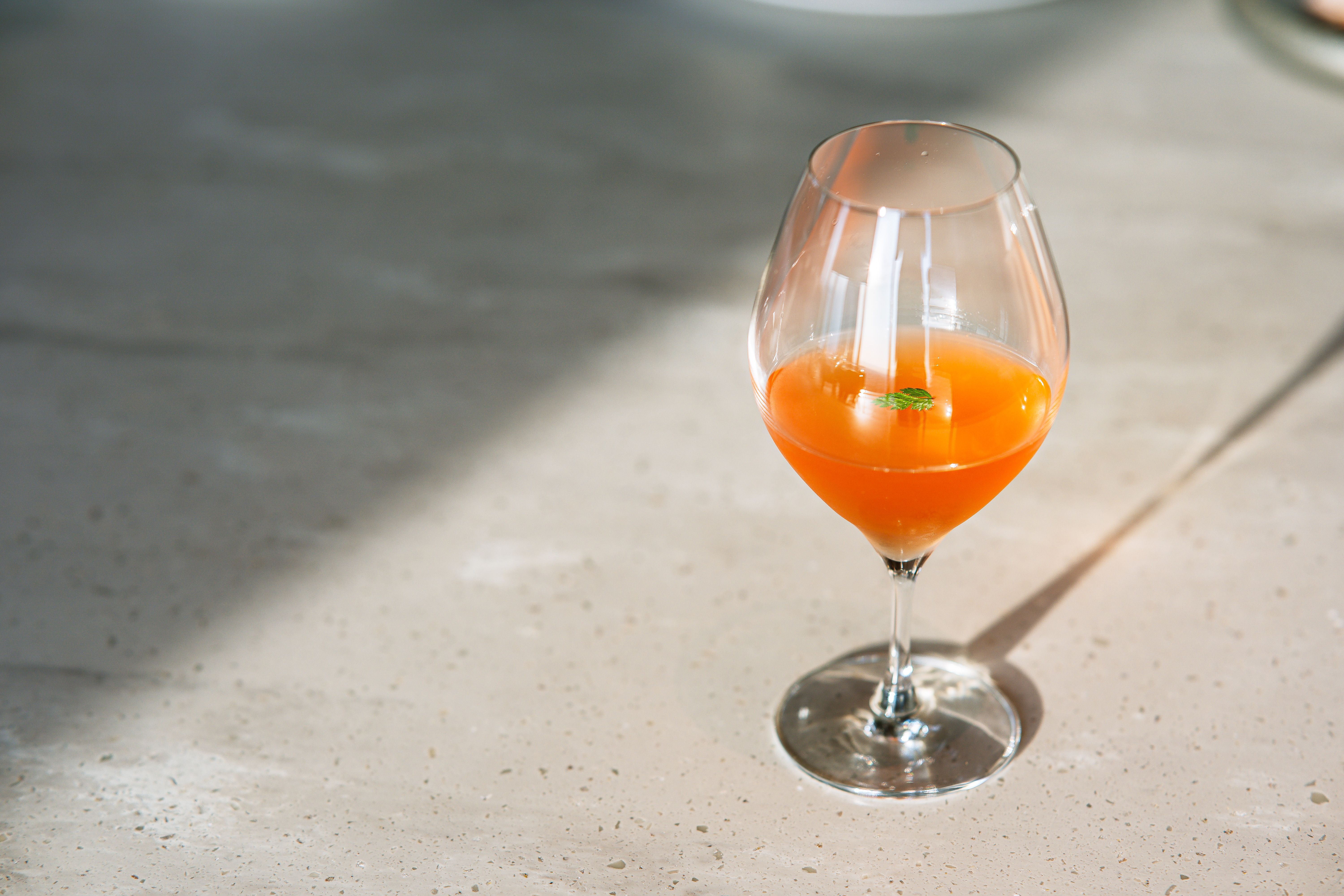
An opened bottle of spirit keeps for years and an opened bottle of alcohol-free spirit may not last a month. Alcohol is a preservative, and removing it turns a shelf-stable product into a perishable one.
Alcohol prevents microbial growth above a threshold
Ethanol disrupts the cell membranes of bacteria and yeast, and above roughly fifteen percent by volume almost nothing survives in it.
Fortified wines sit above that line deliberately, which is the original reason for fortifying them at all.
Table wine and beer sit below it and rely on acidity, hops, carbonation and low oxygen to stay stable instead.
What is left behind is an ideal growth medium
A de-alcoholised drink contains sugars, amino acids and water at moderate acidity, which is close to what a laboratory would use to culture organisms deliberately.
Once opened, airborne yeast and bacteria have everything they need, and visible spoilage can appear within days at room temperature.
Refrigeration slows this considerably, which is why alcohol-free products carry storage instructions that spirits never needed.
Producers have three main options
Heat pasteurisation kills organisms present at bottling but adds a cooked note and does nothing about contamination after opening.
Sterile filtration removes organisms without heat, preserving flavour at the cost of equipment and a rigorous packaging line.
Chemical preservatives such as sorbate and benzoate work well at the acidity levels these drinks occupy, and are widely used despite label resistance.
Acidity and sugar do part of the work
Lowering the acidity level makes a drink hostile to many spoilage organisms, which is why alcohol-free products often taste sharper than expected.
Very high sugar concentration works by binding water so tightly that microbes cannot use it, which is how syrups and cordials keep.
Both approaches change the taste substantially, so they are design decisions rather than free protection.
What this means for a home bar
Alcohol-free bottles belong in a refrigerator once opened, and are best bought in the smallest size that will actually be used.
Home-made syrups and cordials for alcohol-free drinks have the same problem in a stronger form, since they carry no preservative at all.
A small quantity of a neutral spirit is the traditional way to stabilise a home syrup, which is unavailable here, so short batches and cold storage are the only reliable answer.