
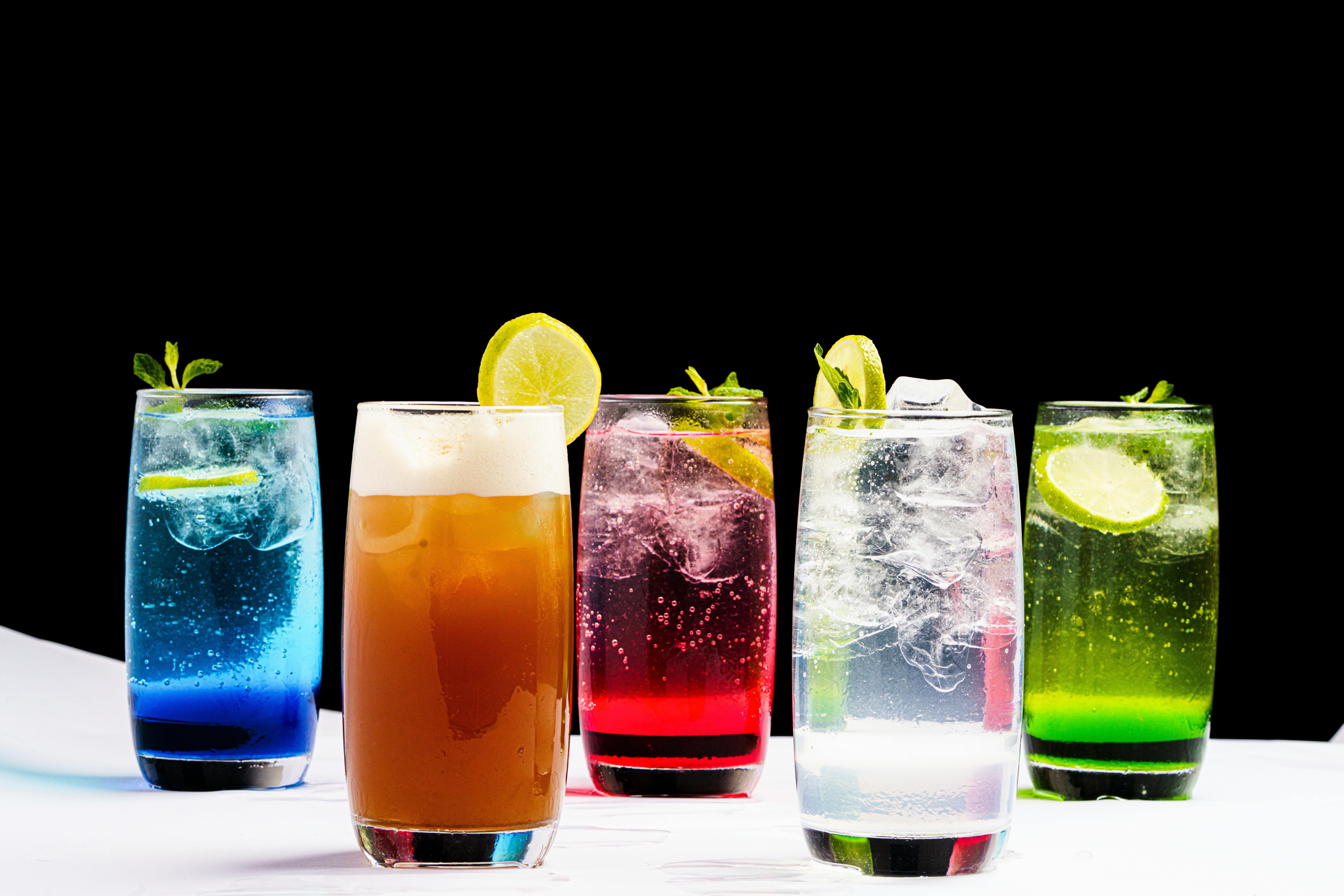
Bitters are measured in dashes, which makes them easy to overlook when a bar builds a zero-proof list. They are also concentrated alcohol extracts, and removing them takes out more than a few drops of flavor.
Why bitters are made with high-proof spirit
Bitters are extractions. The bittering agents in roots, barks and seeds dissolve far more readily in strong alcohol than they do in water.
Alcohol also preserves the result, letting a small bottle sit on a bar for months without spoiling or losing potency.
That is why traditional bitters carry a strength well above most spirits on the back bar, even though the quantity used per drink is minuscule.
What a dash actually contributes
Bitterness lengthens a drink. It slows the finish, keeps sweetness from dominating and gives the palate something to hold onto after the fruit fades.
Aromatic bitters also supply spice notes that read as complexity, doing work in a zero-proof drink that no amount of juice or syrup replicates.
Without them, a nonalcoholic build tends to taste front-loaded: bright at the start and finished almost immediately afterward.
Why the trace amount is still a problem
A few dashes contribute a very small quantity of alcohol to a drink, and by volume the finished serve remains far below the threshold of a beer.
But a guest ordering a zero-proof cocktail may be avoiding alcohol for reasons that do not tolerate approximation, and the bar cannot know which reason applies.
Serving practice therefore treats it as a disclosure question. Menus that use traditional bitters in a zero-proof drink are expected to say so plainly.
How bars replace the function
Glycerin-based and vinegar-based bitters exist and avoid the alcohol entirely, though extraction is less efficient and the flavor profile shifts.
Many bars build bitterness into the drink instead, using strong tea, coffee, grapefruit peel, gentian infusions or a saline solution to sharpen the finish.
Acidity does part of the same job. A carefully balanced acid blend keeps a drink from reading as flat even where bitterness is limited.
Why this is the hardest part of the category
Nonalcoholic spirits have improved considerably at supplying aroma, but structure remains the gap, and structure is largely what bitters were providing.
A zero-proof menu that succeeds usually rebuilds the drink from the finish backward rather than substituting ingredient for ingredient.
That takes more development time than the alcoholic list beside it, which is one reason a serious zero-proof program costs a bar real money to build.