
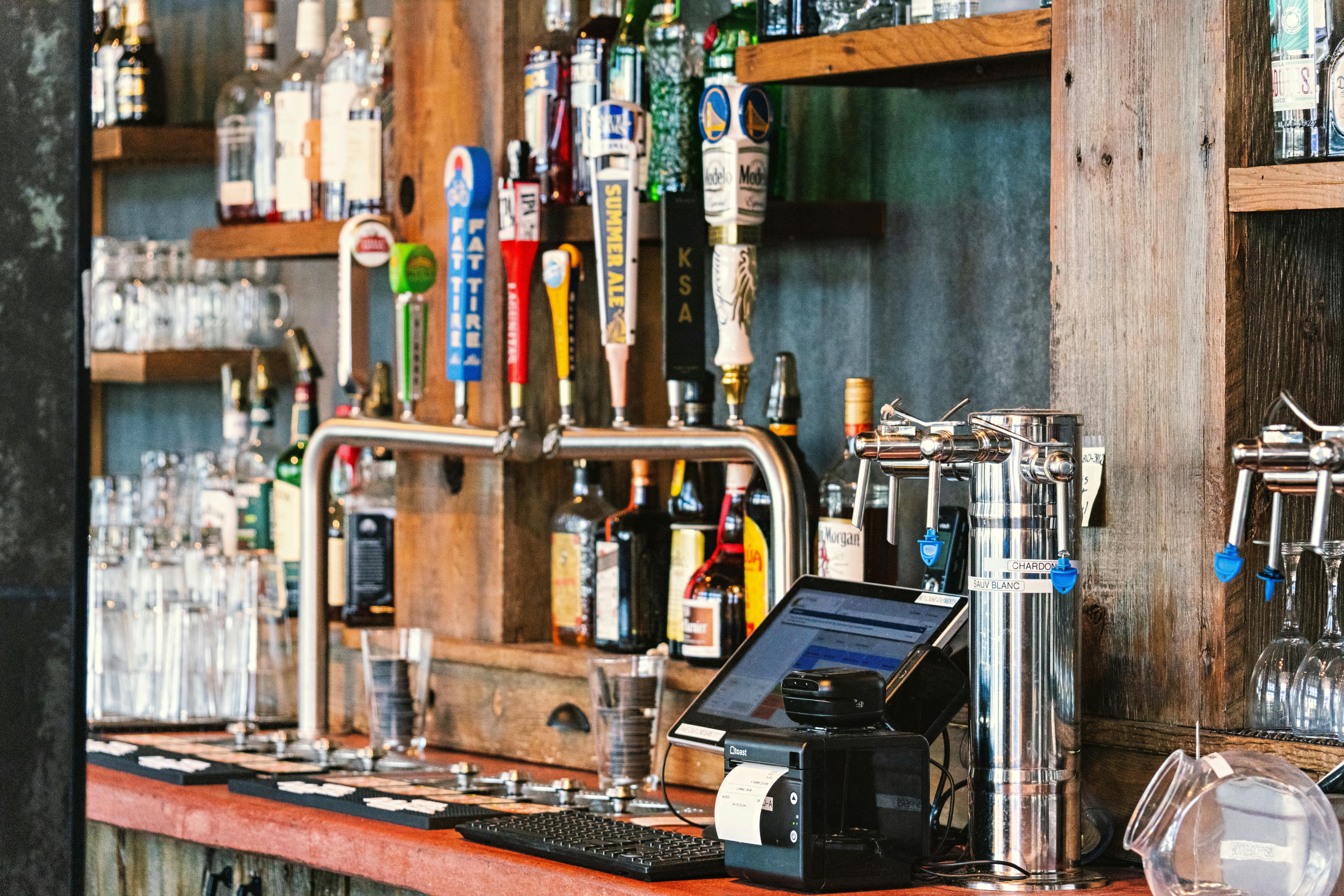
Happy hour is a fixture of American bar life in much of the country and prohibited outright in parts of it. The restrictions come from a specific concern about how price affects the pace of drinking.
What the rules are aimed at
Time-limited discounts create an incentive to drink faster, because the price advantage disappears at a fixed hour.
Regulators concerned with impaired driving treated that incentive as the problem rather than the discount itself, which is why the restrictions target structure and timing.
Several states adopted limits during the same period that drink-driving enforcement tightened nationally, and the two developments are closely linked.
How the restrictions actually differ
Some states prohibit reduced prices for a limited part of the day while permitting a lower price that applies throughout it.
Others ban specific practices rather than discounts generally, targeting unlimited service for a fixed price, multiple drinks for one price, or contests involving consumption.
A smaller number prohibit discounting entirely, requiring that a drink be sold at the same price to every customer at every hour.
Why advertising is regulated separately
Several states permit discounts but restrict how they may be promoted, particularly on signage visible from outside the premises.
The reasoning separates the transaction from the inducement, allowing a lower price while limiting messages designed to attract volume.
Because these rules vary and are revised periodically, operators rely on current guidance from their own state authority rather than on regional practice.
How bars adapted their economics
Where discounting is limited, bars compete on food pricing instead, since discounted food is generally outside the restriction.
Others build value through format, offering smaller pours or a limited menu at a lower price point that applies all day.
The commercial purpose survives either way. The point of the promotion is filling a room during hours it would otherwise sit empty.
Why the empty hours matter so much
A bar's costs run continuously while revenue arrives in concentrated bursts, so the hours between shifts are expensive rather than merely quiet.
Attracting even modest traffic into those hours improves the economics of the whole day, which is why operators keep finding new versions of the idea.
It also spreads staffing. A room that fills gradually needs fewer people at peak than one where all of its traffic arrives at once.