
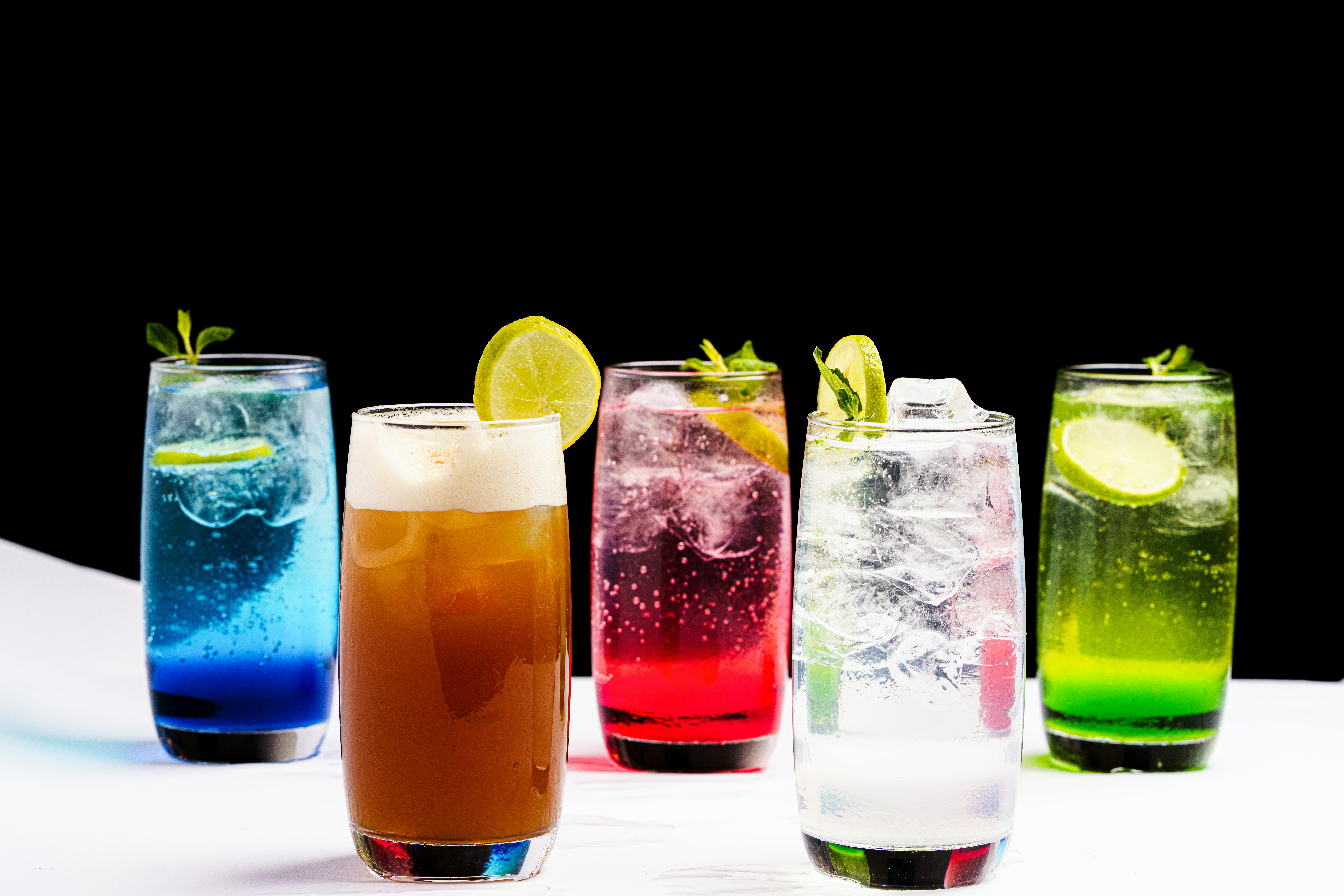
An alcohol-free drink priced close to its alcoholic equivalent looks like an overcharge. The pricing follows from how a bar's costs are actually distributed, and the spirit is a smaller part of them than most drinkers assume.
Ingredient cost is the smallest line
Bars generally price drinks at a multiple of ingredient cost, and that multiple exists to cover everything else in the building.
The spirit in a mixed drink is a modest share of the final price, and removing it does not remove rent, wages, licensing or equipment.
A drink that costs a fraction less to make therefore does not become a fraction cheaper to sell without breaking the whole pricing structure.
The labour is identical or higher
A well-made alcohol-free drink takes the same shaking, straining, garnishing and glassware as any other.
It often takes more, since the flavour has to be built from a larger number of components to compensate for what the spirit was providing.
House-made syrups, infusions and cordials for these drinks are prepared in advance, and that preparation is labour that appears nowhere on the menu.
Premium alcohol-free products are not cheap
Distilled botanical products go through the same distillation as a spirit and then through an additional removal or blending step.
They carry no alcohol duty, but they are produced in far smaller volumes, which raises unit cost in the other direction.
The wholesale price of a serious alcohol-free spirit is often comparable to a mid-range gin, so the saving on the bottle is smaller than expected.
A seat is a seat
A bar's real constraint is space and time: a table occupied for two hours generates whatever the people at it order.
Pricing alcohol-free drinks far below everything else reduces revenue per seat without reducing any cost associated with that seat.
This is the same reason coffee and soft drinks in restaurants carry high margins relative to their ingredients.
Where the pricing does shift
Many bars price alcohol-free drinks somewhat below their alcoholic counterparts rather than at parity, recognising that the perception matters even if the cost does not.
A plain soft drink is priced quite differently from a constructed alcohol-free cocktail, and bars that fail to distinguish the two invite the complaint.
The clearest signal is the menu itself: a bar listing alcohol-free drinks with the same detail as the rest is charging for the same work, not for the absence of a spirit.