
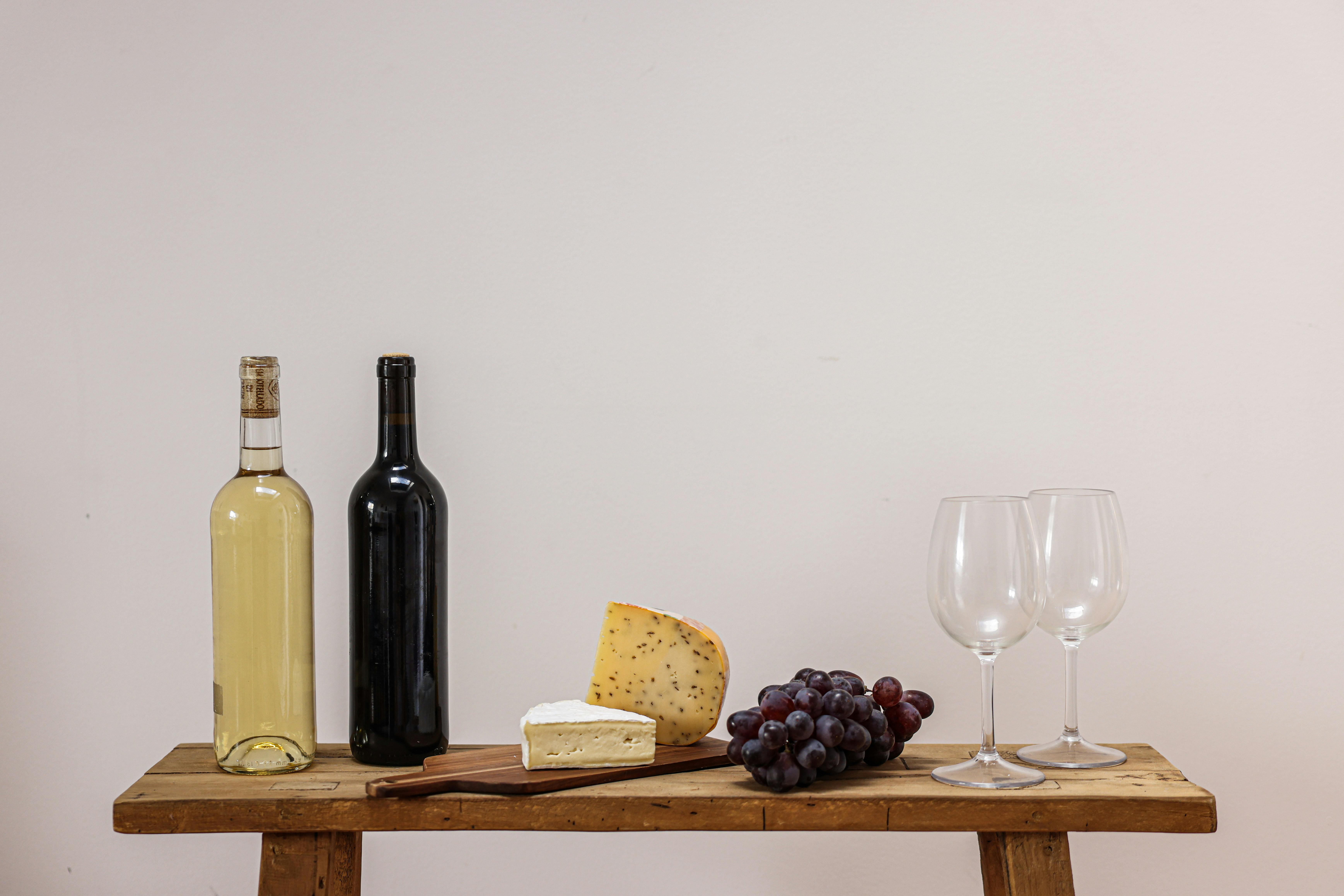
A strong drink alongside a hot dish makes the heat worse rather than better. The reason is that chilli heat and alcohol are detected by the same receptor, and the two signals add together.
Chilli heat is a pain signal, not a taste
Capsaicin binds to a receptor that ordinarily detects physical heat and reports tissue damage. The brain interprets the signal as burning even though nothing is hot.
Because it is not a taste, it cannot be balanced against sweetness or acidity the way bitterness can. It has to be diluted, blocked or waited out.
The sensation also builds. Repeated exposure within a short window keeps the receptors activated, so the fifth mouthful of a dish is hotter than the first.
Any drink chosen for a spicy meal has to work against an accumulating signal rather than a fixed one.
Ethanol activates the same receptor
Alcohol above a moderate concentration triggers the same heat receptor directly. This is the burn in a neat spirit, and it is the same channel capsaicin uses.
Two inputs on one channel produce a stronger response than either alone. A high-proof drink therefore increases the perceived heat of the dish rather than relieving it.
The effect scales with strength. A light beer barely registers on the channel, while a spirit served neat contributes as much burn as the food does.
This is the core reason strong drinks and hot food are an uncomfortable combination, and it holds regardless of how the drink is flavoured.
Capsaicin dissolves in fat, not water
Capsaicin is lipophilic. Water moves it around the mouth without removing it, which is why a glass of water spreads the burn instead of stopping it.
Fat dissolves and carries it away. This is the mechanism behind dairy with hot food, and it is genuine rather than folklore.
Milk proteins add a second mechanism by physically displacing capsaicin from the receptor, which is why dairy outperforms plain oil.
Drinks with real fat content are rare, so most beverage solutions to chilli heat work by dilution and distraction rather than removal.
Why sweetness is the most reliable counter
Sugar does not neutralise capsaicin, but it competes strongly for attention and gives the palate something else to process.
A drink with residual sweetness reads as cooling because the sweet signal is pleasant, immediate and arrives in the same moment as the burn.
Off-dry white wines, sweeter lagers and lightly sweetened iced teas all work on hot food for this reason, across cuisines that developed the pairings independently.
The sweetness has to be modest. A very sweet drink against a very hot dish produces a cloying result once the heat subsides.
Carbonation and temperature do real work
Cold liquid reduces the receptor's sensitivity for as long as the mouth stays cool. The relief is temporary but immediate.
Carbonation adds a mild acidic tingle of its own, which reads as scrubbing rather than burning and gives the palate a different sensation to focus on.
Together these explain why cold lager is the default across most of the world's chilli-heavy cuisines despite having little flavour to offer the food.
The limit is that both effects fade within seconds, so the drink has to be consumed continuously rather than sipped occasionally.
Tannin makes it worse in a different way
Tannin strips saliva from the palate, and saliva is part of what carries capsaicin away and buffers the receptor.
A tannic red against a hot dish therefore leaves the mouth drier and more exposed at exactly the point it needs protection.
Add the alcohol content typical of a full-bodied red and both mechanisms push in the same direction. The pairing fails twice over.
Lower-tannin reds served cool avoid most of this, which is why lighter styles appear on wine lists at restaurants serving spicy food.
Aromatic drinks can match without competing
Spicy cuisines are usually aromatic as well as hot, carrying citrus, ginger, herbs and fermented notes alongside the chilli.
Aromatic white wines and lightly hopped beers can mirror those notes without adding to the burn, because aroma is processed separately from heat.
This is the difference between a drink that survives a hot dish and one that partners it. Surviving is a matter of strength and sweetness; partnering is a matter of aroma.
The pairing that achieves both is typically low in alcohol, slightly sweet, cold, and aromatic in a register the dish already uses.
What changes when the heat is not chilli
Black pepper, mustard and horseradish produce burn through different compounds, and some act on receptors that respond to cold rather than heat.
Mustard and horseradish heat is volatile and travels into the nasal passages, where it clears within seconds rather than accumulating.
These respond better to strong drinks than chilli does, because the alcohol is not reinforcing the same channel and the sensation is over quickly.
That distinction explains why a peppery dish can carry a robust drink while a chilli-heavy one cannot, even when both taste equally hot on the plate.