
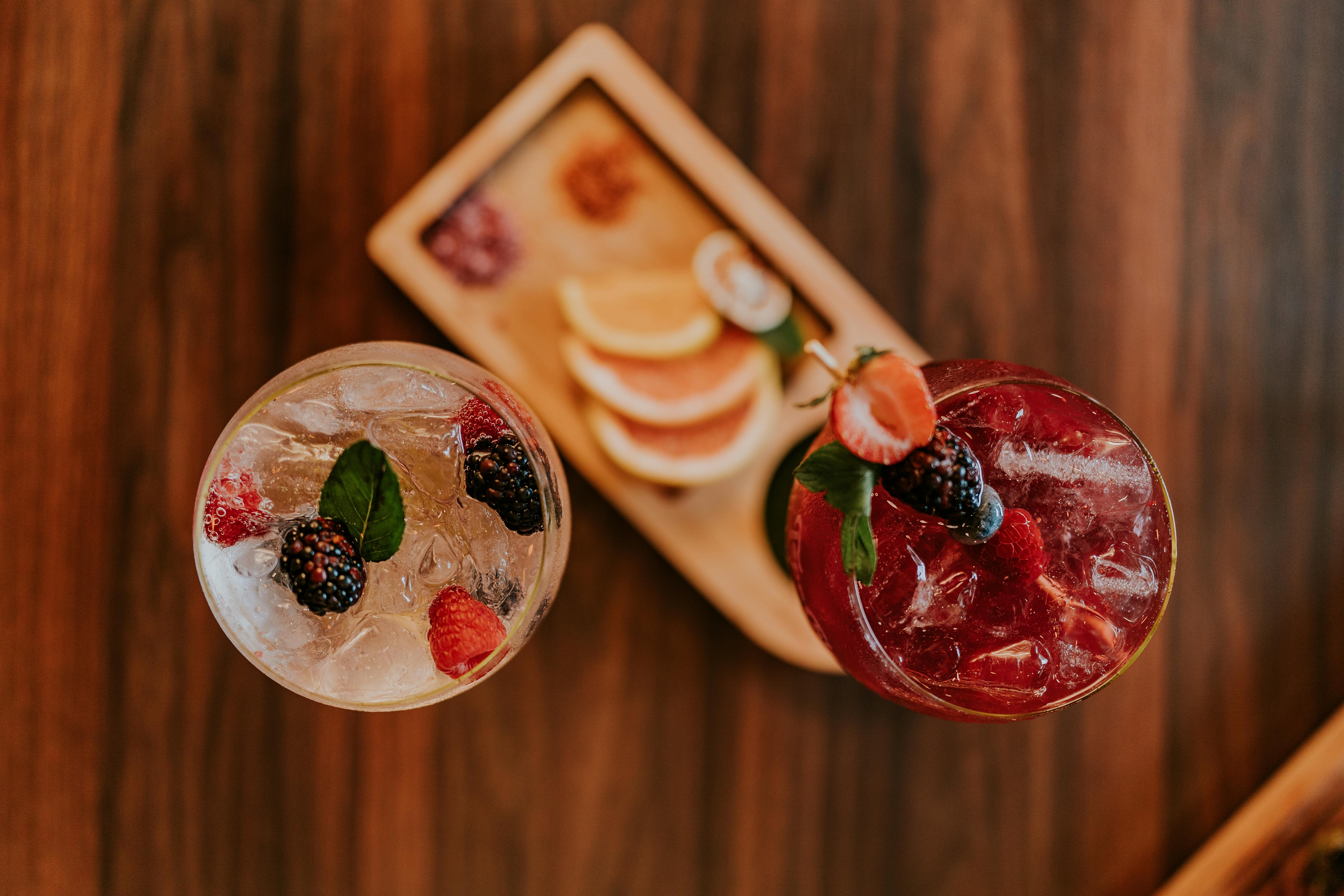
A surprising number of famous cocktails are the same drink with different components. The sour template of spirit, sour and sweet is a structure rather than a recipe, and it survives substitution at every position.
The template is a ratio, not a list
A sour is built from a base spirit, an acidic element and a sweetening element in proportions that leave the spirit dominant and the other two in balance.
The classic proportion places the spirit at roughly twice the volume of each of the other components, adjusted for how sour and how sweet each actually is.
Because the ratio is defined by function rather than by ingredient, anything performing the function can be swapped in.
Each position accepts substitutes
The base can be any spirit, and each one produces a drink with its own name and reputation despite the identical structure.
The acid is usually lemon or lime, but grapefruit, verjus or an acid solution all fill the same slot.
The sweet element is the most flexible of the three, since it can be plain syrup, a liqueur, a fortified wine or a fruit preparation, each bringing flavour along with sugar.
Liqueurs collapse two positions into one
When the sweetening element carries its own strong flavour, the drink gains complexity without gaining ingredients.
Orange liqueur in place of syrup is the clearest example, producing a family of drinks that read as distinct classics.
The trade is control, since the sweetness and the flavour can no longer be adjusted independently.
Additions extend rather than replace the structure
Egg white adds texture without changing the balance. Soda lengthens the drink. Bitters adjust the aromatic profile.
None of these alter the underlying ratio, which is why a drink can carry several additions and still be recognisably a sour.
This is also why the template is the first thing taught to a new bartender: learning one balance point covers a large part of any menu.
Why the structure is so durable
Sourness and sweetness suppress each other, so a drink that has both can carry more of each than it could carry alone.
That mutual suppression makes the spirit's rougher edges less noticeable while leaving its aroma intact.
The result is a drink that is refreshing and strong at once, which is a combination very few other structures achieve without dilution doing all the work.