
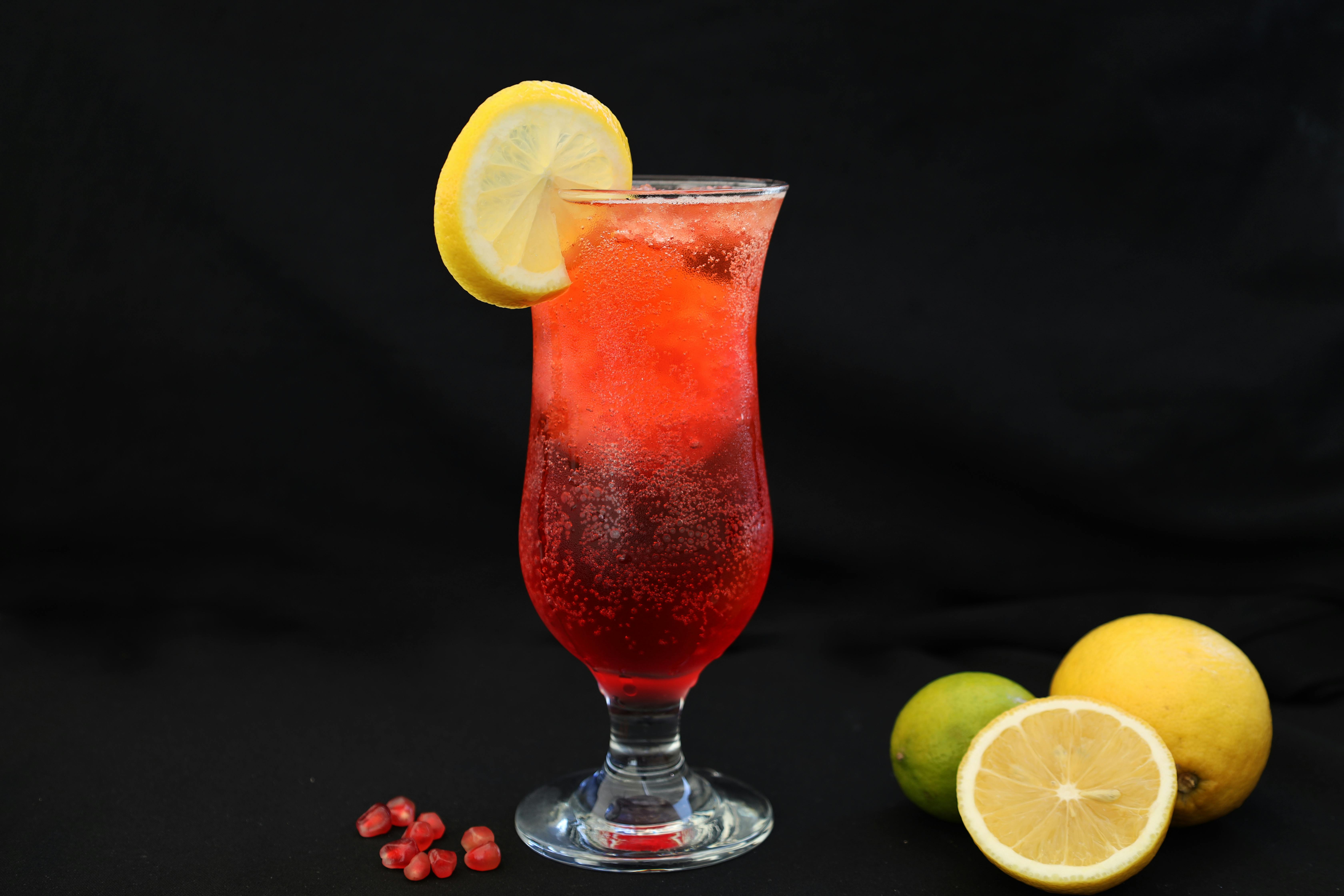
The most difficult thing to reproduce in a non-alcoholic spirit is not flavour but sensation. Alcohol produces a warmth on the palate that carries a drink, and the substitutes for it behave differently.
Alcohol warmth is a heat signal, not a taste
Ethanol activates a receptor that normally reports physical heat, which is why a neat spirit feels warm rather than tasting of anything hot.
That sensation gives a spirit-forward drink its structure and its finish, and it is what a drinker registers as strength.
Nothing in the flavour of a spirit substitutes for it, which is why a well-flavoured alcohol-free spirit can still taste unfinished.
The available substitutes hit the same receptor differently
Capsaicin from chilli, piperine from pepper and gingerol from ginger all act on the same heat channel that ethanol does.
Their timing is the problem. Ethanol's warmth builds and fades within seconds, while capsaicin arrives slowly and lingers for minutes.
A drink built on chilli extract therefore reads as spicy rather than strong, and the sensation outstays the drink.
Bitterness fills part of the gap
Bitter botanicals give a drink length and a defined finish, both of which alcohol otherwise supplies.
This is why so many non-alcoholic spirits lean on gentian, wormwood, cinchona and citrus peel rather than trying to imitate a base spirit.
The result works best in drinks that were already bitter, which is why alcohol-free aperitifs are more convincing than alcohol-free whiskies.
A spirit whose appeal rests on warmth and oak has almost nothing left once the warmth is gone, while an aperitif built on bitterness keeps its defining feature intact.
Astringency provides structure
Tannins from tea, oak extract or grape skins dry the palate and produce a grip that reads as substance.
Used carefully this gives a drink a backbone. Used heavily it strips the mouth and makes everything after it taste thin.
Combining mild astringency with slight bitterness and a trace of pungency comes closer to the ethanol effect than any single element does.
Temperature and dilution have to be rethought
A cocktail recipe assumes a certain amount of ice-melt water, calculated against a spirit at full strength.
A non-alcoholic base is already close to the finished dilution, so the same mixing routine leaves the drink watery.
Recipes built for these products use less ice contact, colder starting temperatures and higher concentrations of flavour, which is why substituting a zero-proof bottle into a standard recipe rarely works.